Why They're Called Soap Operas
Radio, detergent and daily cliffhangers. Soap operas began on 1930s radio, sponsored by soap makers like Procter & Gamble. How Painted Dreams and its rivals built TV's longest-running genre.
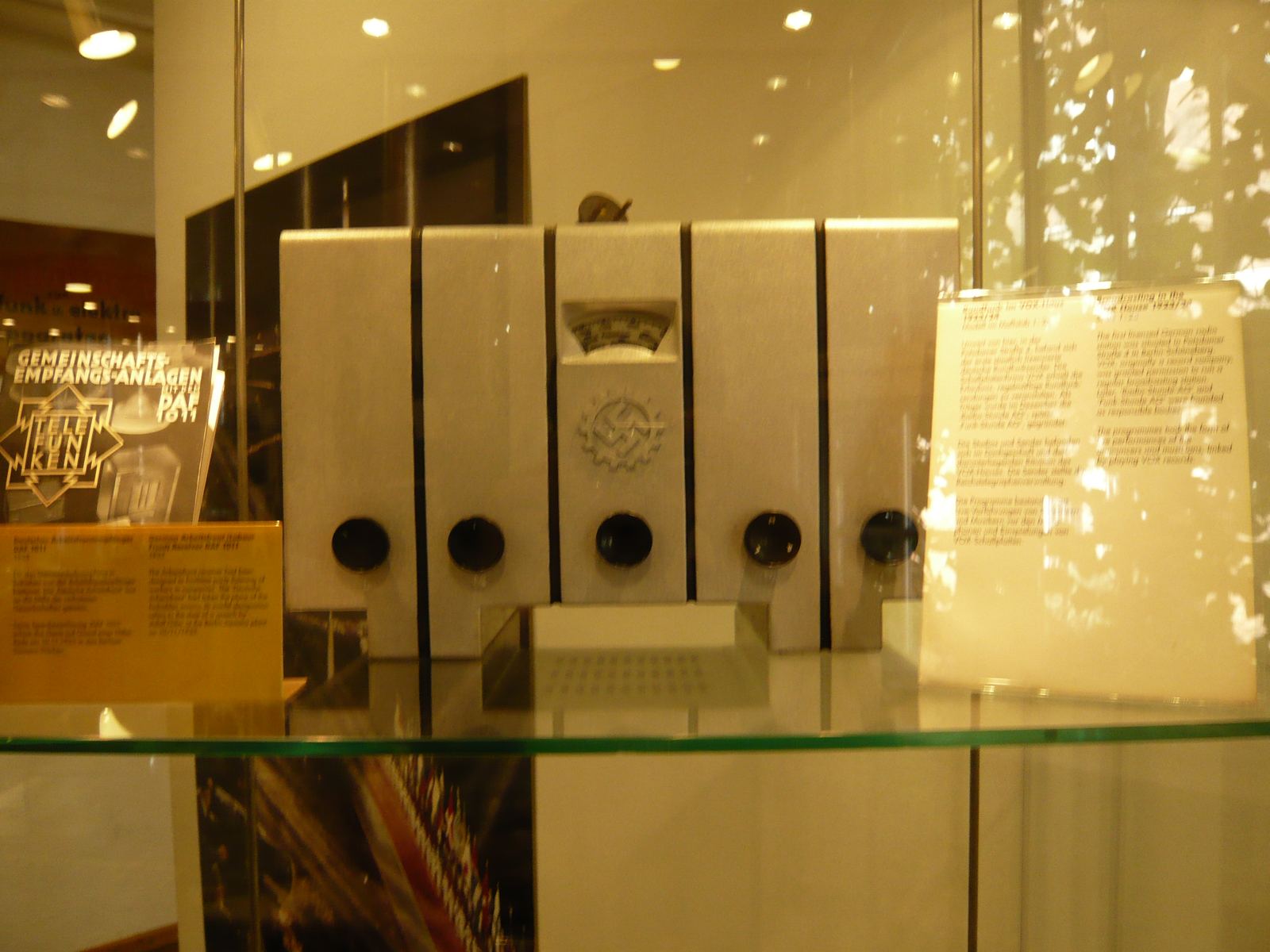
1930s radios, where soaps were born: Ricardo Reis from Lisboa, Portugal, CC BY-SA 2.0
Brought to you by soap
In the 1930s, companies such as Procter & Gamble wanted to reach the people buying household goods, and in many homes that meant homemakers listening to the radio while they worked. So the soap makers sponsored daily serial dramas, packed with family trouble and romance, and slipped their commercials in between.
The nickname soap opera was meant as a put-down at first: soap for the sponsors, opera for the melodrama. Over time the genre embraced it, and now it is simply what we call these stories.
Painted Dreams and the queen of soaps
Painted Dreams premiered on Chicago station WGN on October 20, 1930, and is usually recognised as radio's first soap opera. It was created by Irna Phillips, a former teacher who wrote it and also acted in it.
Phillips went on to create hit after hit, including The Guiding Light in 1937, and later moved into television with shows such as As the World Turns. The first soap carried nationally was Betty and Bob, created by Frank and Anne Hummert for NBC radio in 1932.
Phillips was famously prolific. Over her career she created or helped shape a long list of radio and television serials, and many of the storytelling habits she pioneered are still standard in daytime drama today.
Procter & Gamble goes all in
Procter & Gamble launched its first soap, Ma Perkins, in 1933, and followed with The O'Neills, The Guiding Light and more. Soon the daytime airwaves were full of 15-minute serials, each ending on a little hook to bring listeners back tomorrow.
When television arrived, the soaps came with it. Early TV soaps were performed live until the late 1950s, which means every flubbed line and wobbly set went straight into living rooms.
The tricks that never left
Soaps invented habits that every binge-worthy drama still uses: long-running storylines, cliffhanger endings and characters audiences feel they know personally. Producers even created the summer storyline, aimed at students home from school. Today's prestige dramas owe a lot to those humble radio serials.
The format was a perfect match for daily radio. A short episode each weekday fit neatly into a listener's routine, and a small cliffhanger at the end gave a reason to tune in again the next morning. Sponsors loved the loyalty, and writers learned to spin storylines that could unfold slowly over months or even years, a habit soaps never lost.
Facts on this page were checked against these sources.
- 1930s radios, where soaps were born: Ricardo Reis from Lisboa, Portugal, CC BY-SA 2.0
Text written by Drama Momma.