The 1950s Quiz Show Scandals
When big-money TV games were fixed. In the 1950s some big-money TV quiz shows were secretly rigged. How the scandal broke and why Congress made fixing a quiz show illegal in 1960.
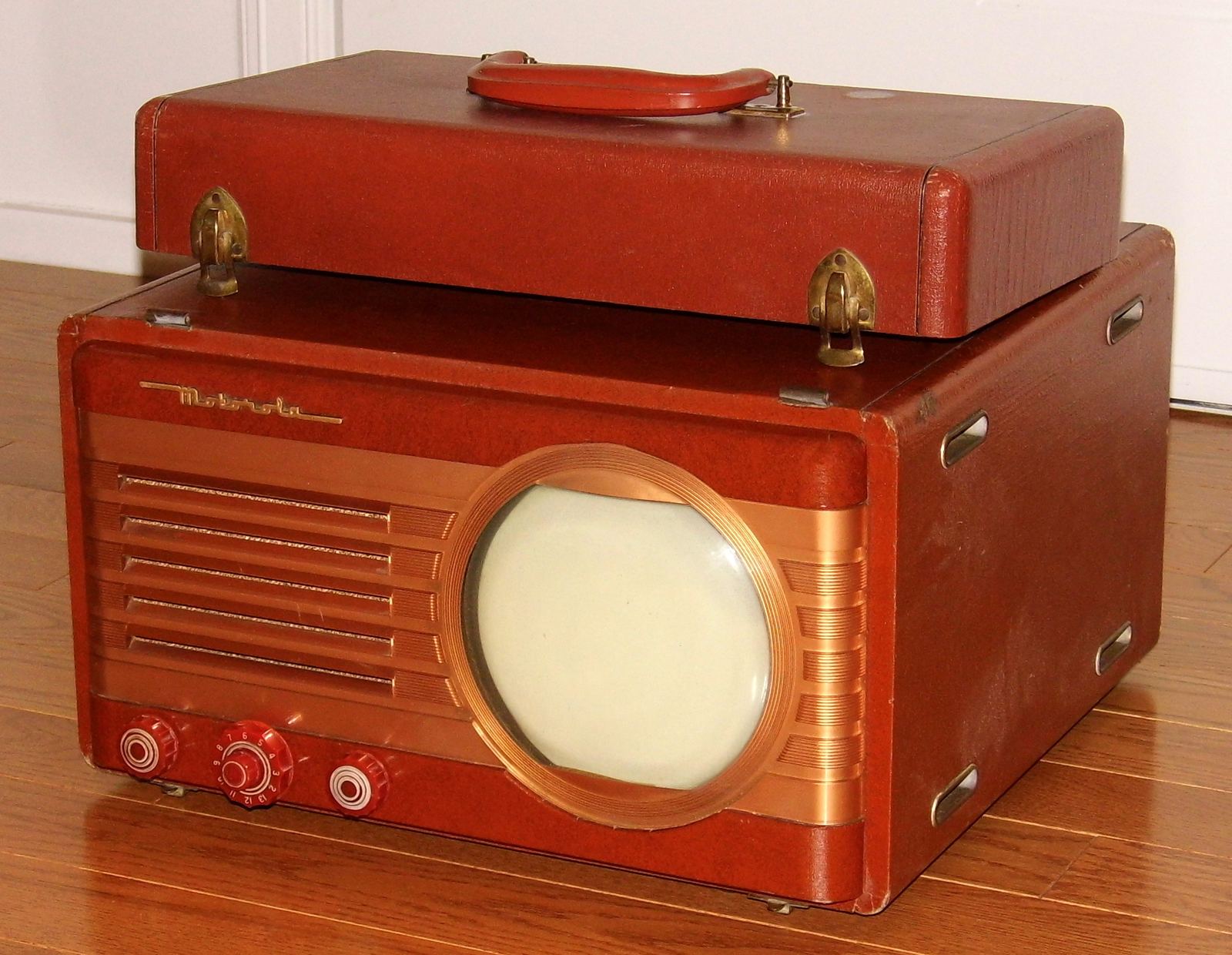
A portable TV from about 1949: Joe Haupt from USA, CC BY-SA 2.0
Big money, bright lights
In the mid-1950s, prime-time television fell head over heels for quiz shows with giant prizes. The first big hit was The $64,000 Question on CBS, created by producer Louis Cowan and based on an older radio quiz called Take It or Leave It. History.com estimates that its top prize was worth over $600,000 in modern money.
NBC answered with Twenty-One, which put two contestants in isolation booths with headphones and had them battle over trivia. Viewers adored the tension, and winning contestants became overnight celebrities.
The format was perfect television. Viewers could see the sweat, the long pauses and the agonising choices about whether to stop or keep going for more money. Ratings soared, and copycat shows quickly followed.
The cracks appear
Behind the scenes, some shows were not as honest as they looked. Producers and sponsors wanted exciting finishes and popular champions, and on certain programs contestants were coached or given answers ahead of time.
In 1958 a contestant from the CBS quiz Dotto went to the Manhattan District Attorney with material suggesting a champion had been fed answers. Once that came out, more allegations followed, and the investigations reached Congress.
Not even illegal, darling
Here is the twist that shocks people today: at the time, fixing a TV quiz show was not actually against the law. It was dishonest, and the public felt betrayed, but the producers involved had broken no statute.
That changed in 1960. Congress amended the Communications Act so that it became illegal to pre-arrange the outcome of any broadcast contest of skill or knowledge. Another amendment required stations to tell viewers on air when someone had paid for material to be broadcast.
What changed on TV
Big-money quizzes largely vanished from prime time for years, and networks took more direct control of their schedules rather than letting single sponsors run whole shows. Game shows came back eventually, but with rules, auditors and a lot more caution.
The scandal is still taught as a lesson in media history. It showed how much trust audiences place in what they see on screen, and how quickly that trust can turn to anger when it is broken. Hollywood revisited the story in the 1994 film Quiz Show, and today every legitimate TV competition is careful to show viewers that the results are fair.
- PBS American Experience: The Quiz Show Scandal, Aftermath
- HISTORY: How the 1950s Quiz Show Scandals Shaped TV
Facts on this page were checked against these sources.
- A portable TV from about 1949: Joe Haupt from USA, CC BY-SA 2.0
Text written by Drama Momma.