The Binge-Watching Era
When whole seasons dropped at once. In 2013 Netflix released all 13 episodes of House of Cards at once, and by 2015 binge-watch was Collins Dictionary's Word of the Year.
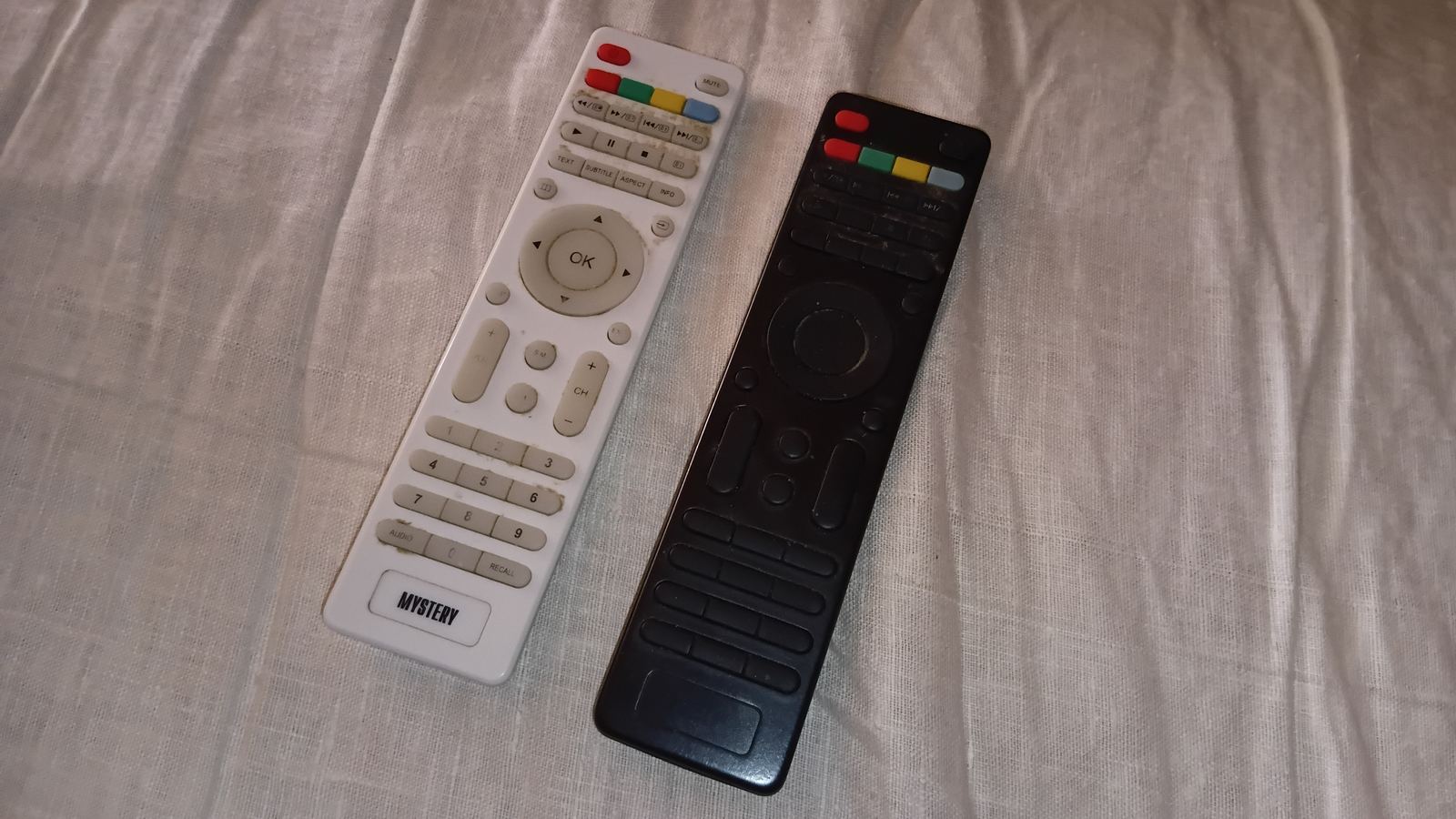
Two remotes, one long weekend: Сергей Михель, CC BY-SA 3.0
No more waiting a week
For most of TV history, drama came in weekly doses. You watched an episode, stewed over the cliffhanger and waited seven days. Then, on February 1, 2013, Netflix released the entire 13-episode first season of its political drama House of Cards in one go.
Netflix said the point was to give viewers complete control over how they watched. Members in North America, the UK, Ireland, Latin America and Scandinavia could start at episode one and keep going until dawn if they wanted.
The release was a gamble. Traditional TV wisdom said a weekly schedule kept people talking and coming back, while an all-at-once drop risked a quick burst of interest and then silence. Netflix bet that viewers would rather choose for themselves, and the bet changed the industry.
A word is born
People had binged box sets before, but streaming made it effortless, with the next episode lining up automatically. By 2015 the habit was so common that Collins Dictionary named binge-watch its Word of the Year.
Collins defined it as watching a large number of TV programmes, especially every episode of one series, in succession. Its lexicographers reported a 200 percent rise in usage compared with the year before.
What changed for drama
Binge release changed how stories are told. Writers can plan seasons that play like one long film, and cliffhangers now land at the end of an episode that might be followed by the next one just seconds later.
It also changed the water-cooler effect. Instead of a whole country watching the same episode on the same night, viewers race ahead at their own pace, and spoiler etiquette became a whole new kind of social drama.
Weekly is back, sometimes
Many streaming services now mix both styles, dropping some shows all at once and releasing others weekly to keep the conversation going. Either way, the remote is in your hand, darling, and the next episode is always one click away.
Collins also tied the word to a bigger shift in viewing habits, saying the change in how people watch TV was one of the most significant since the arrival of the video recorder. A survey reported alongside the announcement found that most viewers admitted to watching several episodes of a series in one sitting. In other words, the binge had become normal, darling, and nobody was apologising.
- Netflix press release via Cision: House of Cards available exclusively on February 1, 2013
- Broadcasting & Cable: Netflix to Debut House of Cards Feb. 1
- TIME: Binge-Watch Is Collins Dictionary Word of the Year
- Irish Examiner: Binge-watch named Collins Word of the Year
Facts on this page were checked against these sources.
- Two remotes, one long weekend: Сергей Михель, CC BY-SA 3.0
Text written by Drama Momma.